Complete Mold Abatement Solutions: Eradicate Risks and Reinstate Security
Mold can pose notable health concerns and compromise the safety of any living space. Detailed mold remediation services address these issues by discovering sources, restricting spread, and taking out affected materials. Understanding the signs of mold, the dangers it implies, and the remediation process is vital for homeowners. As the complexities of mold removal come to light, it becomes clear that a forward-thinking approach is essential for long-term safety and well-being. What steps should one take next?
Symptoms of a Mold Problem
What methods can be used to identify mold presence in one's environment? Recognizing signs of mold is vital for ensuring a safe space. Visible mold growth, usually located on walls, ceilings, and damp areas, is a major sign. Water stains or discoloration may also indicate hidden mold lurking behind surfaces. A musty smell may accompany mold presence, even if it can't be seen immediately. Additionally, homes with humidity over 60% provide ideal conditions for mold growth. Other symptoms include peeling wallpaper or paint and respiratory issues experienced by occupants, which could signal an underlying mold problem. Maintaining vigilance is crucial since timely detection can prevent further mold spread and complications. Regular checks, especially in moisture-prone areas such as bathrooms and basements, help maintain a safe and healthy living environment. Recognizing these indications is the first step toward effectively tackling potential mold issues.
Understanding the Dangers of Mold Contact
Contact to mold creates substantial risks to health that can affect individuals in multiple ways. Breathing in of mold spores can lead to breathing problems, such as asthma and allergies, especially in sensitive populations such as children and the elderly. Signs present with coughing, sneezing, and skin irritations, which can escalate with prolonged exposure.
Certain mold types produce mycotoxins, which can cause more serious effects, such as nervous system symptoms and immune suppression. People with pre-existing conditions may experience exacerbated health issues, making it vital to resolve mold problems promptly.
Furthermore, the mental effect of living in mold-infested environments can lead to stress and worry. Recognizing these dangers underscores the significance of identifying and tackling mold development to maintain a secure and healthy living space. Awareness of the hazards associated with exposure to mold is vital for promoting general health and avoiding lasting medical issues.

How to Handle Mold When You Encounter It
Upon spotting mold in a living space, rapid response is critical to prevent further growth and minimize health risks. The opening move entails determining the magnitude of the mold problem. Individuals should check for noticeable mold and any damp areas that may promote growth. It is critical to avoid touching the mold, as this can release spores into the air.
To begin, you must locate and fix the source of moisture, be it a leak or excessive moisture. Providing sufficient airflow throughout the affected area will help reduce moisture content. Personal protective equipment, including gloves and masks, must be used to minimize exposure when handling materials.
Should the mold cover a small area, it could be possible to clean it with adequate cleaning solutions. However, for larger infestations, it is wise to seek professional help. Prompt and effective measures can markedly reduce health risks due to mold exposure.
The Mold Remediation Process Described
Proper mold remediation requires a systematic approach to guarantee complete removal and avoidance of subsequent mold development. The procedure typically begins with a comprehensive examination to locate mold origins and evaluate the extent of mold presence. Professionals employ advanced tools to identify concealed mold and water sources, ensuring a full evaluation.
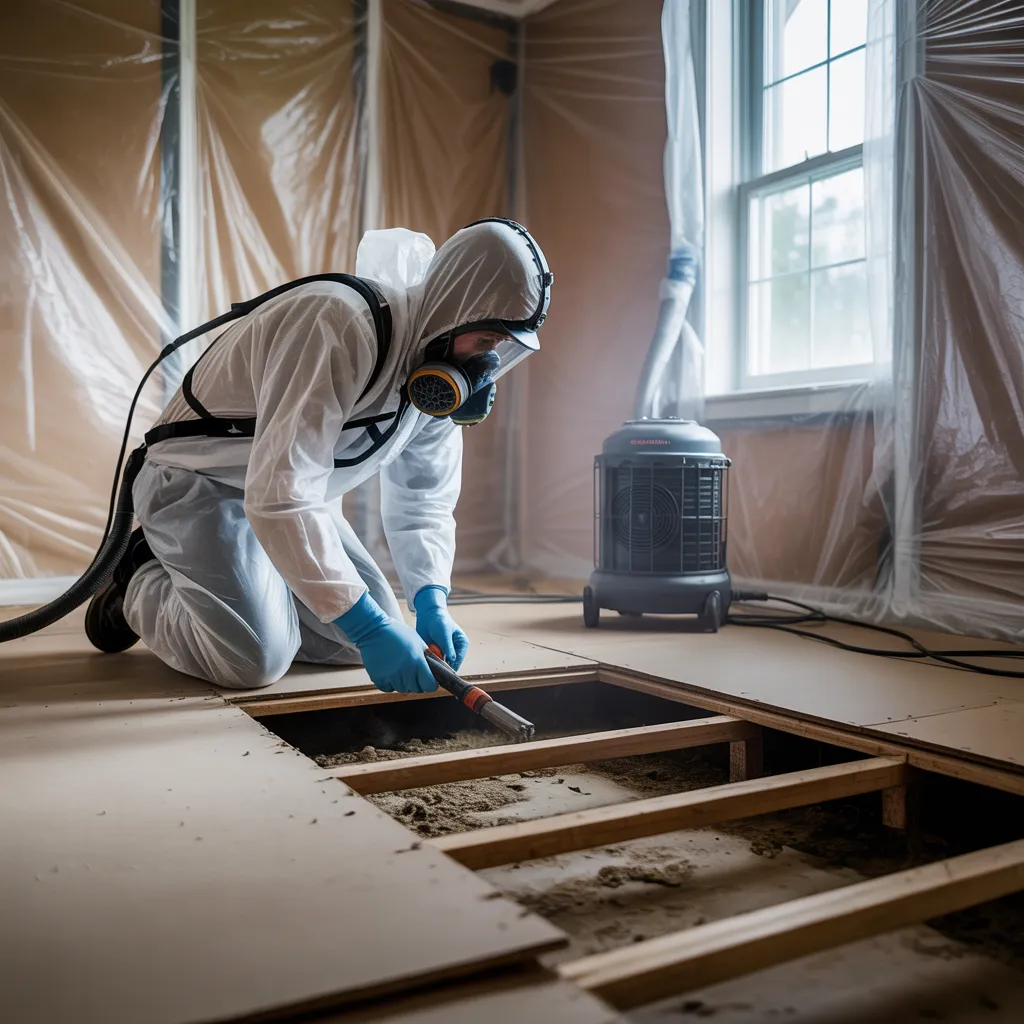
After identification, containment measures are implemented to inhibit the transmission of spores during removal. The next phase includes the safe removal of affected materials, such as drywall or insulation, followed by decontamination and sterilization of surfaces.
Following removal, the area check article is dried thoroughly to eliminate moisture, which is vital for preventing future mold growth. Finally, a post-treatment evaluation confirms that the mold has been successfully removed and that the environment is safe. This meticulous procedure not only addresses existing mold issues but also establishes safeguards against future infestations, ensuring long-term safety in the affected space.
Innovative Fungal Eradication Approaches
Progressive mold removal techniques are evolving the restoration domain. Precision identification approaches enhance early identification, while green solutions prioritize health and sustainability. Additionally, advanced containment strategies guarantee successful confinement of fungal growth, controlling transmission during the restoration phase.
Advanced Detection Methods
Although mold can frequently flourish in hidden areas, sophisticated identification techniques have emerged to detect its existence more precisely and effectively. Methods such as thermal imaging allow professionals to observe temperature variations, revealing water accumulation where mold could grow. Furthermore, moisture meters measure the moisture content inside walls and ceilings, pinpointing potential infestations. Airborne particle analysis can analyze airborne spores, providing vital information on mold concentration and types present. In addition, fiber optic cameras facilitate inspections in tight areas, uncovering hidden mold growth without intrusive methods. These cutting-edge approaches enhance the assessment of mold issues, enabling prompt and efficient treatment measures to safeguard wellness and assets. By leveraging these advanced methods, mold professionals can ensure a thorough approach to mold identification.
Eco-conscious Strategies
Advanced identification techniques have paved the way for more successful mold remediation strategies. In recent periods, eco-friendly options have surfaced as innovative alternatives to traditional mold removal techniques. These sustainable methods highlight the use of non-toxic, biodegradable agents that effectively eliminate mold without posing risks to human health or the environment. Techniques such as steam cleaning and the application of natural antimicrobials, like tea tree oil and vinegar, have become widely used. Additionally, ozone treatment and ultraviolet light are increasingly employed, providing effective mold eradication while minimizing chemical exposure. As awareness about environmental impacts grows, these eco-friendly solutions not only ensure thorough mold removal but also support safer living spaces, signifying a commitment to both health and sustainability.
Modern Management Plans
As mold remediation methods advance, effective isolation strategies have become essential for minimizing contamination spread during the remediation procedure. Modern containment methods employ protective barriers, such as dual-layer plastic sheeting, to isolate affected areas. Negative air pressure equipment are utilized to ensure that suspended spores do not escape into unaffected spaces, while HEPA filters trap microscopic particles. Additionally, advanced monitoring systems provide immediate assessments of air quality, allowing teams to adjust containment measures as needed. These innovative approaches not only improve safety for occupants but also streamline the remediation process, guaranteeing thorough elimination of mold while reducing the risk of recurrence. By incorporating these cutting-edge isolation techniques, professionals can achieve more effective and lasting results in mold remediation.
Selecting the Correct Mold Removal Service
How can property owners ensure they choose an reliable mold removal company? The procedure starts with thorough research. Homeowners should seek out companies with credentials from established bodies, guaranteeing they follow professional guidelines. Reading customer reviews and testimonials can provide insights into a firm's reliability and performance.
It is crucial to obtain comprehensive quotes and comprehend the techniques suggested for remediation. An effective service will describe their approach, encompassing containment, extraction, and testing after remediation. Openness regarding the materials and tools used is also essential.
Also, property owners should inquire regarding warranties or guarantees, which can demonstrate the company's assurance in their work. Ultimately, verifying insurance protection safeguards property owners from possible obligations during the treatment process. By adhering to these guidelines, property owners can make informed decisions, minimizing the likelihood of selecting an inadequate mold remediation service and ensuring a healthier living environment.
Ways to Prevent Mold From Coming Back
To avert mold from resurfacing, it is critical to manage moisture content, as excessive moisture cultivates multiplication. Improving ventilation solutions can improve air flow, further reducing the risk of mold emergence. Furthermore, implementing regular inspection practices enables initial identification and management of latent problems.
Manage Moisture Levels
Adjusting moisture content is indispensable for stopping mold from reoccurring in areas that had prior mold issues. Maintaining inside moisture between 30% and 50% drastically reduces the probability of mold occurring. To obtain this, individuals are advised to utilize dehumidifiers, especially in damp zones like basements and bathrooms. Consistently evaluating humidity levels with a hygrometer can deliver important information. In addition, quickly resolving water leaks and moisture intrusion is vital; any moisture should be swiftly eliminated to discourage mold resurgence. Homeowners should also consider applying water-absorbing agents, such as silica gel, in contained spaces. By managing moisture actively, individuals can build an environment that blocks mold, providing a safer living environment for everyone.
Enhance Ventilation Equipment
Effective air circulation systems are fundamental in preventing mold comeback in homes. Proper air circulation reduces moisture buildup, a key factor in mold growth. Homeowners should assess existing ventilation, guaranteeing that areas like attics, basements, and bathrooms are adequately ventilated. Installing exhaust fans in high-moisture areas helps eject damp air, while vents facilitate fresh air circulation. Additionally, using energy recovery ventilators can improve indoor air quality by exchanging stale air for fresh air without losing heating or cooling energy. Sealing gaps in windows and doors can also increase overall airflow. Regular maintenance of HVAC systems, including changing filters, is important to maintain ideal performance and reduce the likelihood of mold returning.
Periodic evaluation practices
While homeowners may focus on treatment after mold is found, regular inspection practices are essential for avoiding its return. Routine inspections should be conducted in areas prone to moisture, such as basements, bathrooms, and kitchens. Homeowners are urged to examine visible signs of mold, water leaks, and humidity levels. Additionally, overseeing air quality systems can help identify potential issues before they escalate. Retaining an expert team for annual inspections can provide a detailed evaluation and specialist advice. Setting a routine for these inspections encourages early detection and enables preventive strategies. By prioritizing regular inspections, homeowners can substantially lower the risk of mold reoccurrence, ensuring a safer living environment. Steady monitoring is vital to ongoing mold prevention.
Frequently Asked Questions
How Much Will You Pay for Mold Removal Work?
Mold remediation generally expenses between $500 and $6,000, depending on the extent of the contamination, location, and exact services required. Factors like square footage and moisture levels also impact the final rates.
Is it feasible to remain in My Home During treatment?
Throughout mold abatement, it's typically recommended to evacuate your property, especially if major contamination are present. Nevertheless, certain small projects might permit occupants to stay, based on safety measures and the scope of the mold problem.
What Timeframe Should You Anticipate for the Mold Remediation Process?
Mold elimination typically takes anywhere from a couple of days to multiple weeks, and the duration of this process depends on the extent of the contamination, the area of the affected space, and the techniques used for remediation.
Should I Think About Replacing My Items After Mold Contamination?
When experiencing exposure to mold, replacing your furniture relies on the severity of the contamination. Non-absorbent items can be cleaned often, while porous materials, including upholstered furniture, may call for replacement to protect safety and prevent ongoing mold growth.
Can Homeowners Insurance Cover Mold Abatement?
Homeowners insurance plans have different mold removal protection. In general, mold that comes from a included risk, like flooding, might be covered. Policyholders need to examine their specific terms and contact their insurance company to get clarity.